Skills Learning Centres

About the skills learning centres
Roll up your sleeves by attending the Skills Learning Centre sessions at EASL Congress. These hands on courses will improve your practical skills in a variety of fields! Explore them below:

Liver and spleen elastography 1
Wednesday, 27 May, 13:30 - 14:30 CEST
This session introduces participants to elastography, with a focus on 2D Shear Wave Elastography (2D-SWE) and point Shear Wave Elastography (pSWE). Participants will learn how to integrate these techniques into routine hepatology practice for liver stiffness assessment and tissue characterisation.
Hands-on training with phantoms and healthy volunteers will provide real-time experience under expert guidance.
This session is being co-organised in collaboration with EFSUMB.
Learning objectives
- Understand the principles and clinical applications of 2D-SWE and pSWE in the assessment of liver disease.
- Perform 2D-SWE and pSWE examinations and accurately interpret results for liver fibrosis evaluation.
- Integrate elastography findings with clinical and imaging data to support informed patient management decisions.
Organisers
- Dr. Robert J. De Knegt (Chair) (Rotterdam, Netherlands)
- Annalisa Berzigotti (Chair) (Bern, Switzerland)
- Dr. Horia Ștefănescu (Chair) (Cluj-Napoca, Romania)
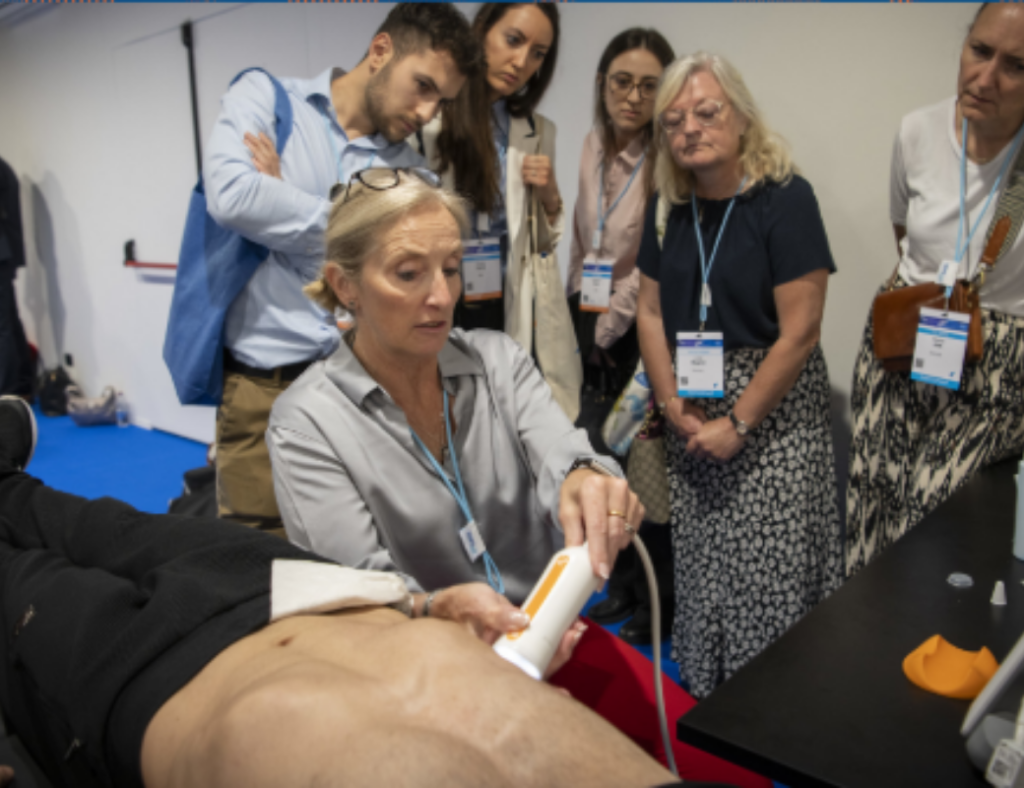
Liver and spleen elastography 2
Wednesday, 27 May, 16:15 - 17:15 CEST
The use of Vibration-Controlled Transient Elastography (VCTE) has evolved significantly over the past decade. Originally developed as a non-invasive tool for liver fibrosis assessment, VCTE has become a key prognostic instrument in routine clinical practice.
At the Liver and Spleen Stiffness Skills Learning Centre, participants will:
Attend a short presentation highlighting recent updates and clinical applications of VCTE and software-based liver assessment platforms.
Practice liver stiffness measurement, Controlled Attenuation Parameter (CAP) evaluation, and spleen stiffness measurement under expert guidance.
Gain hands-on experience operating the devices, applying practical tips, and recognising common technical pitfalls.
Learning objectives
- Perform and interpret liver stiffness measurements using VCTE and software-based platforms:
– Operate the device correctly
– Read and interpret elastograms
– Recognise and avoid technical pitfalls
– Apply results appropriately in clinical practice - Select the appropriate probe for each patient:
– S probe for paediatric patients
– M probe for non-obese patients
– XL probe for obese patients - Integrate liver stiffness with non-invasive steatosis assessment using CAP:
– Particularly relevant in metabolic-associated liver disease
– Provides prognostic insight in other liver disease aetiologies - Provide prognostic stratification using spleen stiffness:
– Measure spleen stiffness with dedicated probes
– Assess risk of liver-related complications, including portal hypertension–mediated events
Organisers
- Roxana Sirli (Chair) (TIMISOARA, Romania)
- Louise Campbell (Chair) (Perth, Australia)
Abdominal Sonography
Thursday, 28 May, 10:00 - 11:00 CEST
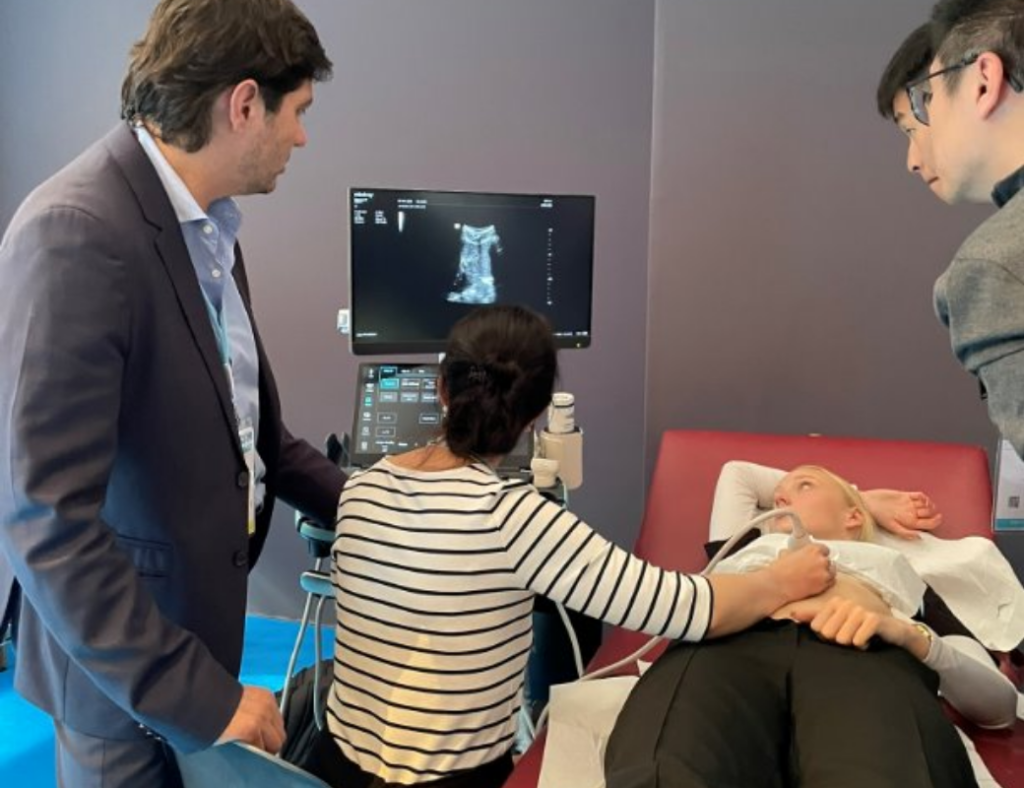
The goal of this session is to introduce hepatologists to ultrasonography as a versatile, multiparametric point-of-care (POCUS) tool, essential for the diagnosis and prognostic assessment of liver diseases.
Whether you are a beginner or an advanced user, participants will:
- Explore the world of ultrasound using simulators.
- Sharpen their skills on state-of-the-art ultrasound machines.
- Practice scanning phantoms and healthy models.
- Work through complex liver and biliary disease cases under the guidance of expert tutors in small groups (maximum 3 participants per device).
This session is being co-organised in collaboration with EFSUMB.
Learning objectives
- Identify key anatomical structures involved in liver diseases:
Liver segmentation, spleen, gallbladder, bile ducts
Vascular structures: portal, splenic and superior mesenteric veins, inferior vena cava (IVC), hepatic veins, hepatic and splenic arteries
Sites of peritoneal fluid accumulation - Learn vascular examination techniques:
Color Doppler and pulsed Doppler
Non-Doppler techniques - Explore multiparametric ultrasound applications:
Liver fat quantification
Liver and spleen stiffness measurement
Integration of ultrasound findings into patient management
Organisers
- Dr. Robert J. De Knegt (Chair) (Rotterdam, Netherlands)
- Annalisa Berzigotti (Chair) (Bern, Switzerland)
- Dr. Horia Ștefănescu (Chair) (Cluj-Napoca, Romania)
Liver Haemodynamics
Friday, 29 May, 16:15 - 17:15 CEST
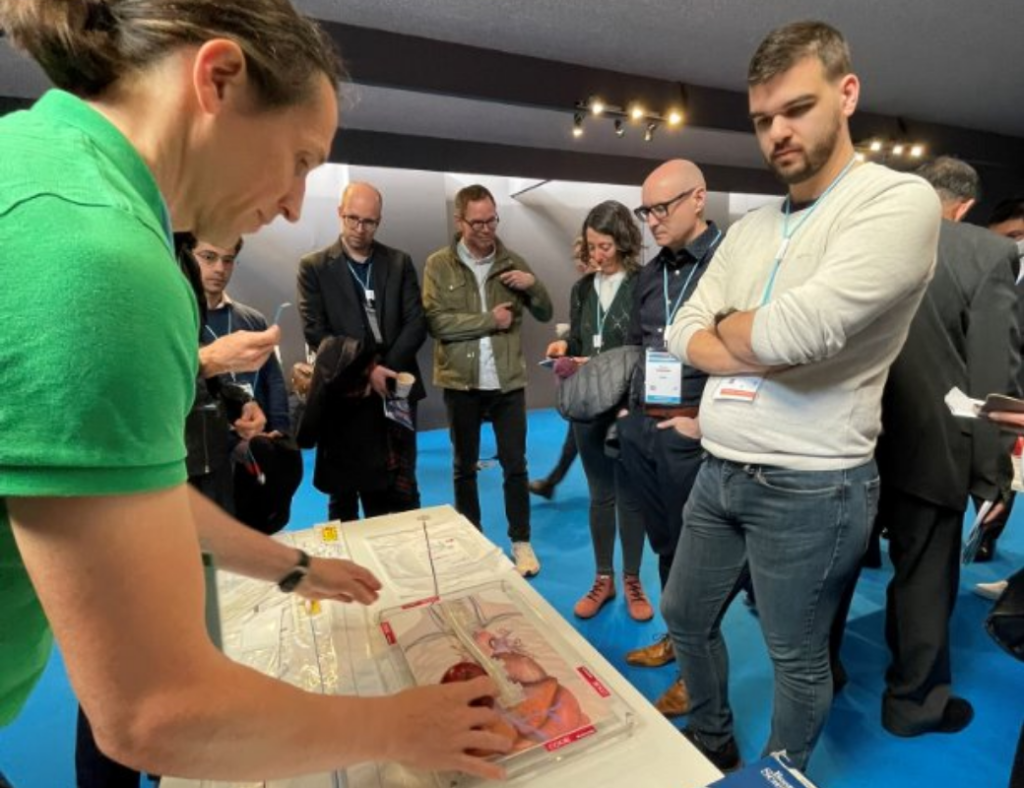
This hands-on session focuses on hepatic haemodynamics and minimally invasive procedures that are essential in hepatology practice. Participants will gain practical experience and expert guidance in:
- Hepatic Venous Pressure Gradient (HVPG) measurement
- Transjugular liver biopsy
- Transjugular Intrahepatic Portosystemic Shunt (TIPS) placement
During the session, attendees will:
- Discuss the role of these interventions in patient management with expert tutors
- Develop practical skills in performing these procedures
This session is being co-organised in collaboration with CIRSE.
Learning objectives
- Enhance knowledge of minimally invasive diagnostic and therapeutic techniques:
– Diagnostic: HVPG measurement, transjugular liver biopsy
– Therapeutic: TIPS placement - Understand indications and contraindications for each procedure.
- Learn technical aspects in detail:
– Step-by-step procedural approach
– Use of electronic charts for accurate and reliable measurements - Engage in experience exchange:
– Interact with tutors and experienced participants
– Share insights and practical tips
Organisers
- Dr. Oana Nicoara-Farcau(Chair) (Cluj-Napoca, Romania)
- Dr. Virginia Hernández-Gea (Chair) (Barcelona, Spain)
- Peter Minko (Chair) (Düsseldorf, Germany)
Variceal Bleeding
Friday, 29 May, 16:15 - 17:15 CEST
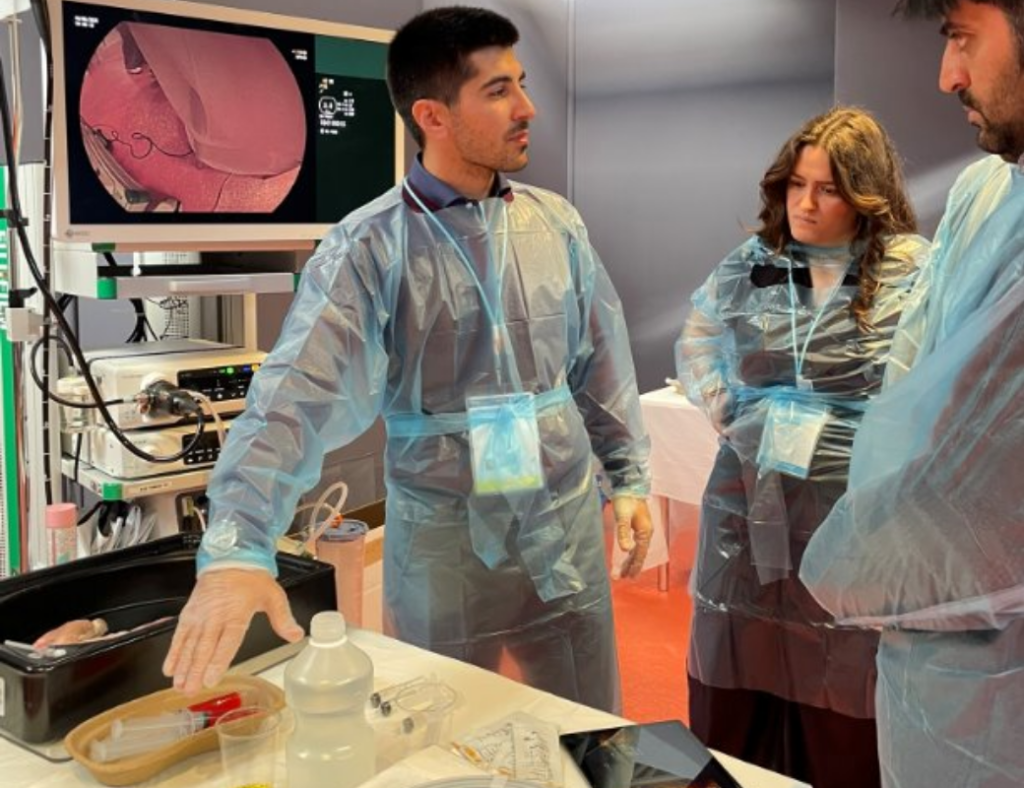
This Skills Learning Centre focuses on the most common endoscopic interventions in hepatology, which play a critical role in the management of patients with liver disease.
As hepatology and endoscopy have become increasingly specialised, it is essential for hepatologists to develop a thorough understanding of:
- Indications for endoscopic procedures
- Typical endoscopic findings
- Available therapeutic options
- Potential adverse events
Participants will gain hands-on experience with both standard and advanced endoscopic techniques, including:
- Variceal band ligation
- Cyanoacrylate glue injection for gastric varices
- Placement and release of oesophageal stents for acute variceal bleeding
This session is being co-organised in collaboration with ESGE.
Learning objectives
- Master the setup and use of endoscopic devices:
– Correctly mount band ligators
– Prepare stents for safe deployment - Perform therapeutic interventions for varices:
– Conduct variceal banding for active bleeding and eradication
– Perform cyanoacrylate injection for gastric varices
– Deploy oesophageal stents safely and effectively - Integrate knowledge into clinical practice:
– Recognise indications for each intervention
– Understand potential complications and their management
– Apply endoscopic findings to guide patient management
Organisers
Dr. Raoel Maan (Chair) (Rotterdam, Netherlands)
Dr. Andres Cardenas (Chair) (Barcelona, Spain)
Tomas Hucl (Chair) (Prague, Czech Republic)
Basic Science Wet Lab
Thursday, 28 May, 16:15 - 17:15 CEST
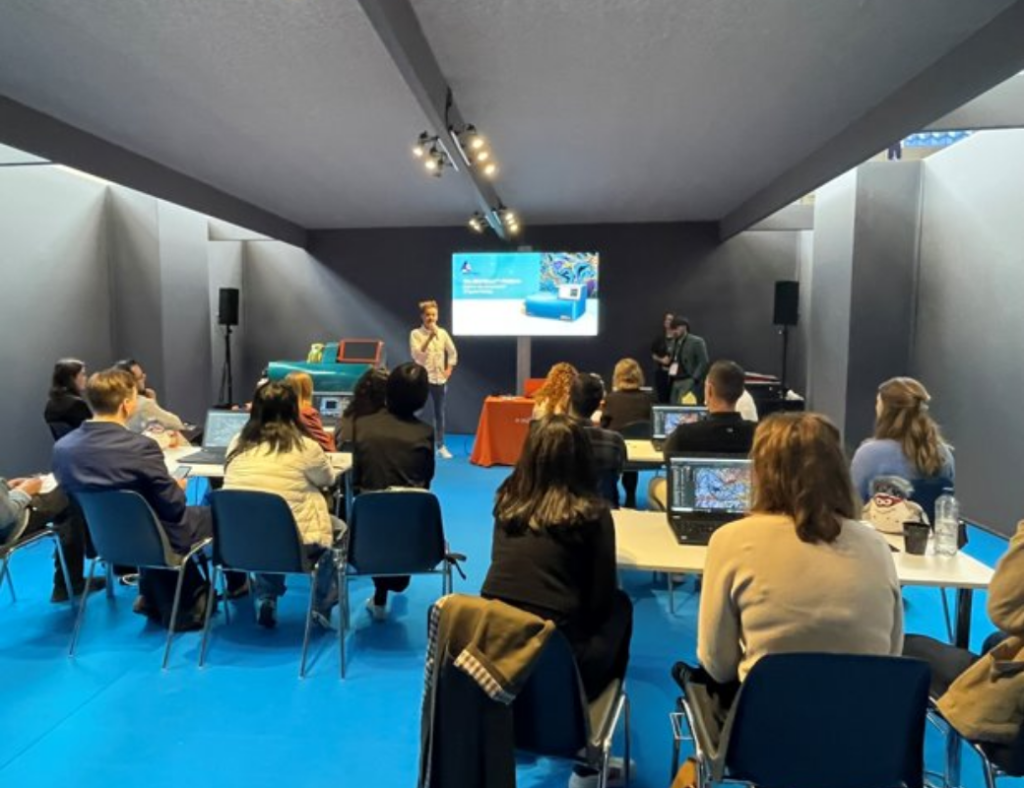
Unlock the power of spatial biology through hands-on experience in this exclusive wet lab at the EASL Congress. Designed for researchers and clinicians interested in exploring the liver’s complex microenvironment, this interactive session showcases cutting-edge spatial proteomics and spatial transcriptomics technologies to visualise and analyse hepatic cellular architecture with unprecedented depth.
Guided by expert instructors, participants will:
- Work with liver samples to perform high-content imaging and multiplex protein and RNA analysis
- Gain insights into cell–cell interactions, zonation patterns, and disease-specific alterations
- Learn how to integrate spatial proteomics and transcriptomics data for a comprehensive view of liver biology
Whether investigating liver fibrosis, hepatocellular carcinoma, or immune responses, mastering these techniques will enhance research capabilities and support cutting-edge hepatology investigations.
Who should attend?
Researchers, clinicians, and early-career scientists interested in liver biology, spatial proteomics and transcriptomics, and advanced imaging technologies.
Learning objectives
- Understand the principles and applications of spatial biology in liver research
- Prepare and process liver tissue samples for high-multiplex imaging
- Gain hands-on experience in spatial proteomics and transcriptomics analysis
- Interpret multiplexed imaging data to explore hepatic microenvironments in health and disease
- Discuss research applications and future directions for spatial biology in hepatology
Organisers
Silvia Affo (Chair) (Barcelona, Spain)
Dr. Kristof Van Avondt (Chair) (Utrecht, Netherlands)
EUS - PPG
Wednesday, 27 May, 16:15 - 17:15 CEST
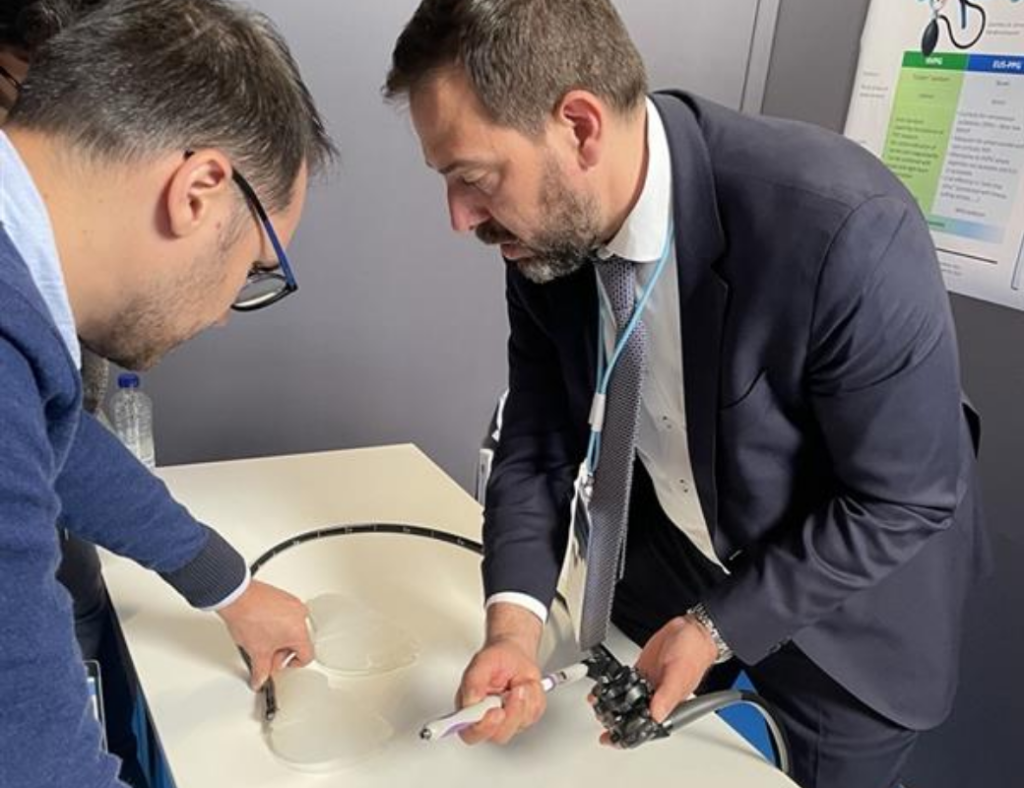
This Skills Learning Centre provides comprehensive hands-on training in interventional endohepatology, focusing on advanced endoscopic ultrasound (EUS)-guided procedures that are increasingly shaping modern hepatology practice.
Participants will rotate through three dedicated skill stations, each offering structured and supervised training in key diagnostic and therapeutic EUS-based techniques:
- EUS-guided portal pressure gradient (PPG) measurement
- EUS-guided liver biopsy (EUS-LBx)
- EUS-guided gallbladder drainage using lumen-apposing metal stent (LAMS) deployment
Under the guidance of expert tutors, attendees will practise on high-fidelity simulators and dedicated training models, enabling safe skill acquisition without the use of animal or human tissue.
Learning objectives
- Understand the clinical role of EUS-guided interventions in hepatology, including:
– Portal pressure assessment
– Liver tissue sampling
– Minimally invasive gallbladder drainage - Perform EUS-guided portal pressure gradient (PPG) measurement:
– Equipment setup
– Technical execution
– Interpretation of pressure tracings
– Recognition of potential pitfalls - Acquire practical skills in EUS-guided liver biopsy:
– Needle handling and sampling techniques
– Optimisation of tissue yield
– Troubleshooting common technical challenges - Gain hands-on experience in EUS-guided gallbladder drainage using LAMS:
-Model-based deployment techniques
– Safe stent release
– Understanding indications, contraindications, and complication management - Integrate EUS-based techniques into clinical decision-making, particularly in patients with:
– Portal hypertension
– Advanced chronic liver disease
– Acute cholecystitis with high surgical risk
Organisers
Prof. Dr. Wim Laleman (Chair) (Leuven, Belgium)
Michael Praktiknjo (Chair) (Münster, Germany)
Pathology
Friday, 29 May, 16:15 - 17:15 CEST
The role of histology in liver diseases has evolved significantly over the past decade, both in inflammatory liver diseases and primary liver tumours. Advances in clinical tests, non-invasive techniques, and imaging have improved diagnosis and staging, leading to changes in indications for liver biopsy and a reduction in the number of procedures performed.
When a liver biopsy is considered for diagnostic or treatment planning purposes, the key question is the added value of the information obtained, compared with non-invasive tests and the overall clinical context. These considerations are central to this Skills Lab, during which ‘real-life’ cases will be discussed.
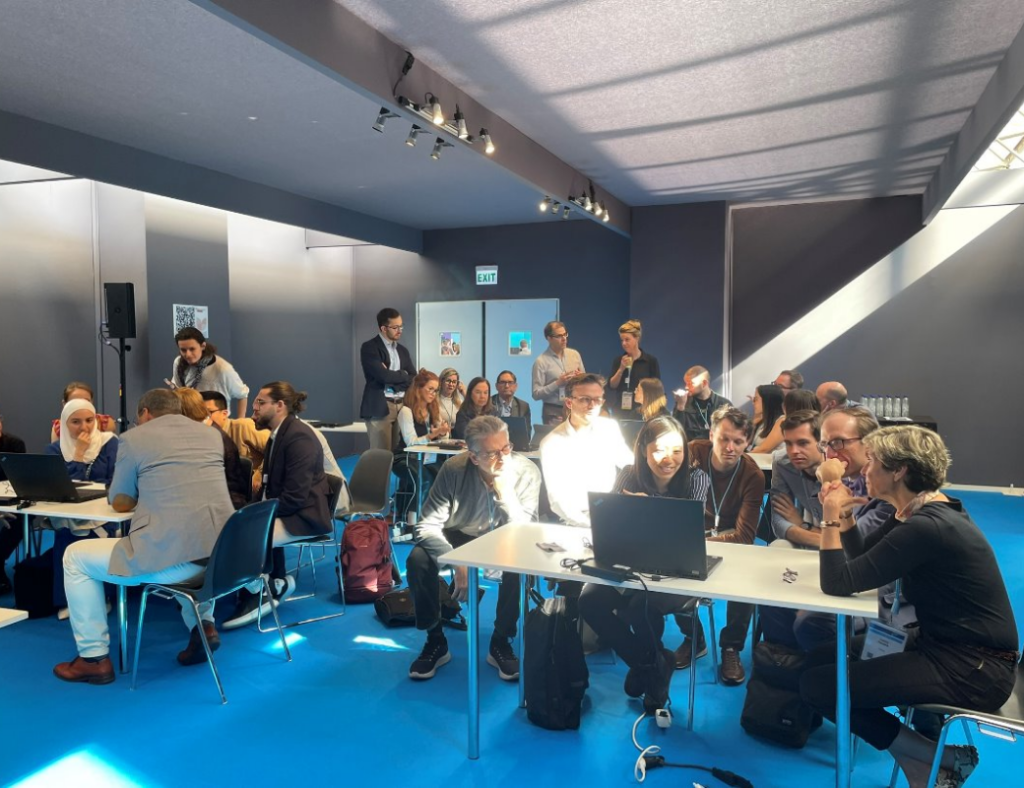
The session will be conducted in a multi-speciality team format, highlighting complex cases from both tumour and inflammatory contexts. Participants will approach cases from clinical and pathology perspectives, focusing on diagnostic criteria, common pitfalls, and therapeutic implications. Cases will be prepared in small groups with two tutors per group (hepatologist and pathologist), followed by plenary discussion.
Learning objectives
- Understand the added value of liver biopsy compared to non-invasive tests in both inflammatory liver diseases and liver tumours.
- Recognise the importance of clinicopathological correlation for optimal use of liver biopsy, including a multidisciplinary approach for accurate diagnosis and patient management.
- Explore future perspectives in pathology and emerging techniques in liver diagnostics.
Organisers
Alba Díaz (Chair) (Barcelona, Spain)
Prof. Dr. Joanne Verheij (Chair) (Amsterdam, Netherlands)
AI-Assisted Grant Writing for Hepatology Research
Thursday, 28 May, 12:30 - 13:30 CEST
This two-part hands-on workshop equips participants with a rigorously tested, AI-supported workflow for drafting competitive research proposals in hepatology. Part 1 guides you from a research idea to a structured first draft, while Part 2 turns that draft into a submission-ready section using AI-assisted revision, compliance checking, and quality verification.
Part 1: From Research Idea to First Draft (60 min) and Part 2: From Draft to Submission-Ready (60 min). Attend both parts for the full workflow, although each part is self-contained and valuable on its own.
Learning objectives
- Part 1: From Research Idea to First Draft
– Prompt patterns: Apply four evidence-based AI prompt patterns to convert hepatology research ideas into structured grant sections, including specific aims, background, and methodology.
– Budget alignment: Use AI tools to align proposal milestones, timelines, and budget lines with Horizon Europe and equivalent funding templates. - Part 2: From Draft to Submission-Ready
Virtual reviewer:
– Deploy a “virtual reviewer” workflow to systematically identify and resolve logical gaps, weak endpoints, and unclear language in draft proposals.
– Compliance: Evaluate AI-generated content against GDPR, EMA GxP, and ICMJE compliance standards relevant to liver disease research involving patient registries.
– Critical assessment: Critically assess AI outputs for hallucination, fabricated references, and unsubstantiated claims before incorporating them into grant applications.
Organisers
- Dr. Raquel Pérez-López (Chair) (Barcelona, Spain)
- Dr. Mauro Giuffrè (Chair) (New Haven, United States)
- Prof. Dr. Razvan Chereches (Chair) (Cluj-Napoca, Romania)